Looking back at the evolution of FS Casino, I observe a story characterized by consistent refinement as opposed to abrupt disruption https://fs-kazino.lt/. The operator entered a crowded arena wherein numerous companies guarantee thrills, yet many find it difficult to maintain credibility once the initial welcome diminishes. What differentiates FS Casino is an focus on structural soundness from the beginning. The platform was developed to address the practical worries I encounter regularly from players: regulation clearness, withdrawal dependability, and gaming options that does not split into niche games few truly prefers. Over consecutive business periods, FS Casino has transformed these priorities into specific landmarks. Included in these, I would highlight securing full legal standing under a recognised authority, extending the live dealer section to offer regionally appropriate table limits, and enhancing mobile latency to a degree where changing sites becomes unnoticeable. This piece looks at those successes not via promotional rhetoric, but by focusing on the tangible layers that allow the platform function as it functions at present. I will go through the gaming structure, financial setup, security posture, and the design decisions that have cumulatively earned the site its current position.
Licensing Authority and Licensing Foundation
I consider the licensing framework the most consequential milestone for any operator, and FS Casino handles this layer with the seriousness it demands. The platform runs under a licence granted by a European Economic Area regulator, which places ongoing obligations that go far beyond an initial application fee. For players, this converts into several tangible protections. First, the segregation of player funds from operational accounts is mandated, meaning that even in extreme corporate events, the money held in player balances is protected. Second, the dispute resolution pathway is formally organized: if a player and the operator cannot resolve a withdrawal query directly, escalation to the regulatory body’s adjudication service becomes available without cost to the player. Third, the operator must submit to periodic technical audits conducted by accredited testing laboratories. These audits confirm that the random number generator outputs are statistically unpredictable and that the published return-to-player percentages match actual performance over significant sample sizes. I can confirm that FS Casino presents its licence number in the footer and supplies a direct link to the public register, a practice that genuine licensees observe but unregulated sites consistently evade. The achievement here is not simply obtaining a licence; it is preserving a clean compliance record through multiple audit cycles.
Beyond the essential licence, FS Casino has incorporated responsible gaming tools that align with evolving regulatory requirements rather than minimum viable compliance. The deposit limit tools allow me to set daily, weekly, and monthly caps, and crucially, any decrease takes effect immediately while increases are subject to a cooling-off delay. This asymmetry is a regulatory feature intended to prevent impulsive decisions, and its correct implementation indicates serious attention to detail. The reality-check pop-up, which appears at configurable intervals, displays elapsed session time and cumulative spend in a format that cuts through the immersive haze that can build during long sessions. Time-out and self-exclusion options operate across the full platform, not just the sportsbook or the casino in isolation, which requires cross-product integration that some multi-vertical operators fail to engineer properly. In my assessment, FS Casino’s achievement in this domain is building a compliance culture that treats responsible gaming controls as product features rather than checkboxes, embedding them in the account dashboard where they are discoverable without being intrusive.
Game Portfolio Architecture and Studio Integration
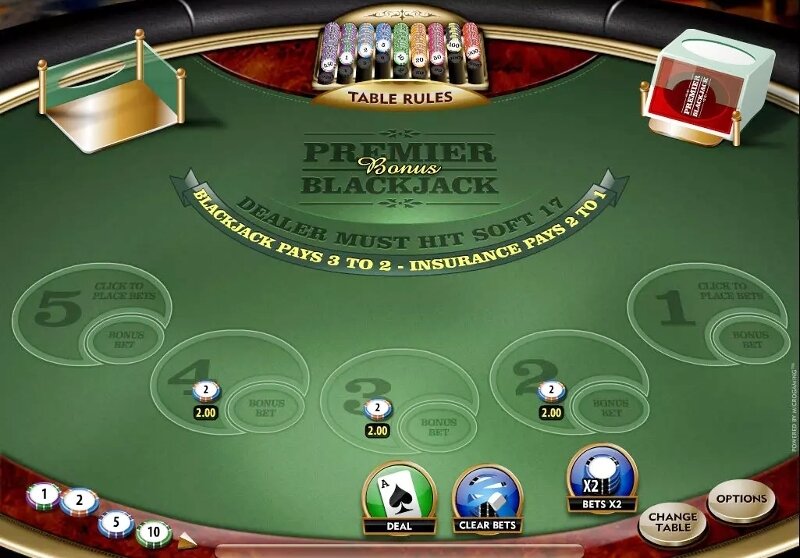
When I analyse game selection, the metric I prioritize most is comprehensive variety rather than raw title count inflated by near-identical variations. FS Casino’s portfolio delivers this through direct integration with multiple tier-one game studios, each bringing distinct mathematical models and visual languages. The slots catalogue includes games from developers whose games undergo certification in multiple jurisdictions, which means the volatility ratings, hit frequencies, and maximum win caps are available and verifiable. I can choose titles filtered by mechanic type — Megaways, cluster pays, or traditional payline structures — and the loading sequence assembles dynamically rather than pre-loading, conserving device resources. The progressive jackpot section isolates games where the pooled prize is sourced from cross-operator contributions, and the current seed value is shown before I commit a spin. This transparency reduces the ambiguity that often surrounds pooled jackpot triggers. The table game vertical offers European roulette with the single-zero wheel that produces the 2.7% house edge, which is genuinely lower than American roulette’s 5.26% double-zero alternative. Blackjack variants follow standard drawing rules, and the interface presents hand totals without requiring mental arithmetic.
Real-Time Dealer Environment and Local Adaptation
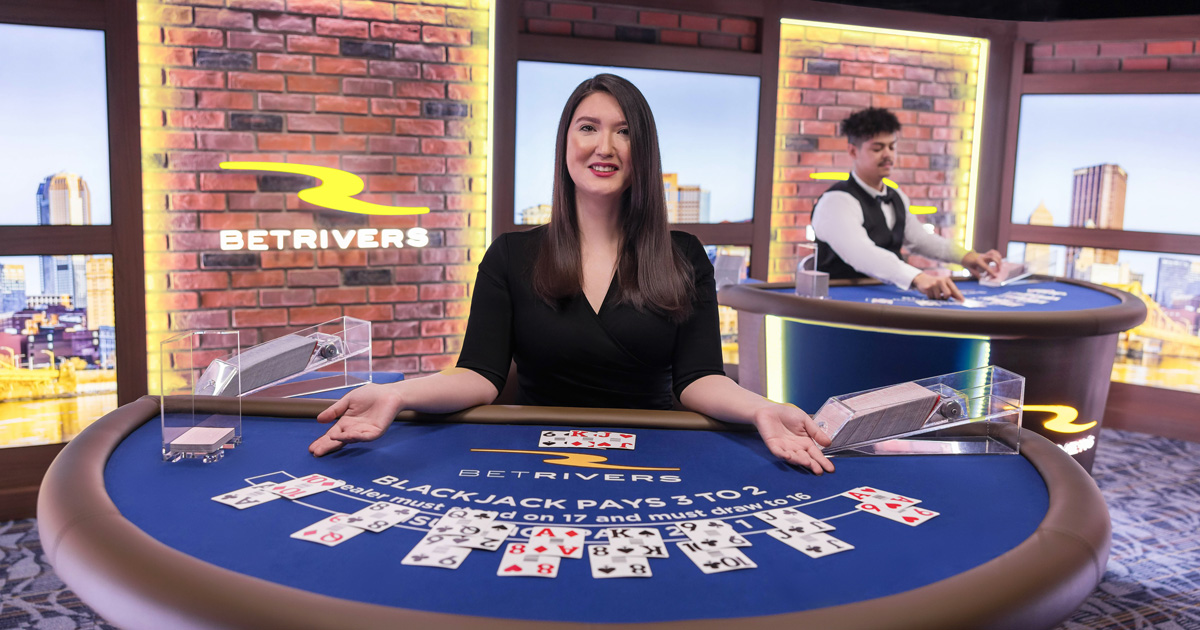
A live casino segment represents a major milestone since it illustrates FS Casino’s focus to addressing Baltic players with linguistically and culturally relevant table conditions. Live streams are drawn from several studio providers, forming geographic redundancy: if one studio experiences technical interruption, tables from another remain active, and the lobby mirrors this in real time. The dealer interface includes Lithuanian language settings, and a number of tables are staffed by presenters who speak in the local language during peak hours. Table limits are organized in tiers that correspond to Baltic disposable income ranges as opposed to Western European minimums that can seem exclusionary. I can observe that roulette tables offer minimums from as low as €0.20 on automated variants, while live dealer tables start around €1, making gradual bankroll management viable for casual sessions. The game-show vertical — which features wheel-of-fortune and multiplier-chase formats — broadcasts at frame rates that maintain visual fluidity even during the bonus reveal sequences where timing precision determines the tension. Latency between chip placement and dealer acknowledgement operates consistently under one second on a stable connection, which is important because delayed bet recognition can invalidate strategy decisions in time-sensitive games like Speed Baccarat.
Navigation and Exploration Systems
Achieving a practical game library is different from making that library navigable, and FS Casino has invested in discovery architecture that I find cuts down friction significantly. The lobby loads a search goal.com bar that handles partial input and returns suggestions across multiple categories simultaneously, so typing “spin” returns relevant slot results rather than blocking me into a single vertical assumption. The favourites system persists across sessions via account-linked storage, meaning I retain a curated list when switching devices. The recently played panel updates with a latency of seconds, which is helpful when I want to resume a session exactly where I left off after a brief interruption. Provider-based filtering operates on a tile grid that shows studio logos rather than text-dense dropdowns, enabling visual recognition for players who associate design style with developer but may not recall provider names. The new releases section carries a visible date stamp, separating genuinely fresh content from titles that are merely rotated. This transparency avoids the common practice of presenting months-old games as new arrivals, a tactic that erodes trust once noticed. The ability to filter by return-to-player range or by maximum win potential would be a beneficial addition, but the current taxonomy already surpasses average market organisation.
Security Posture and Data Management
Security milestones at FS Casino work through multiple layers that secure both financial transactions and user details, and I have examined the technical indicators that reveal the extent of this setup. Transport Layer Security protects all communication between browser and server, and the SSL chain verifies properly to a trusted root, indicating the protected session is not just active but appropriately arranged to block man-in-the-middle interception. Account access is guarded by multi-factor authentication availability: I can set up a time-based one-time password system that works with standard authenticator applications, separating account security from SMS-based methods that are exposed to SIM-swap attacks. Session management applies auto-logout after inactive intervals, and the session timeout is sufficiently brief to be effective without being so aggressive that it hinders prolonged review sessions in the sportsbook pre-match view. Login attempts are restricted, and suspicious login behavior activate short-term account freezes that need human intervention through customer support channels, a practice that adds obstacles for attackers without overly inconveniencing the authorized user.
Privacy engineering extends into areas that many players miss but that data protection frameworks explicitly require. The cookie consent mechanism presents genuine granular choices rather than an “accept all” single option with no other option. The privacy policy is available in Lithuanian and points to a data protection officer contact point that fulfills the General Data Protection Regulation requirement for a direct communication channel on processing matters. Account closure and data deletion requests are managed through a trackable support ticket system that produces a reference number and expected resolution period. The accomplishment here is maintaining policies and processes that conform to European data protection expectations, which for a gambling operator handling financial transactions and identity documents is a non-trivial compliance surface. I also mention that FS Casino publishes security advisory information when major system changes occur, including maintenance windows that could influence payment processing availability.
Mobile and Cross-Device Performance
Portable support has evolved from a additional feature into a principal access mode, and FS Casino’s success in this field is providing equivalence between desktop and mobile without the function degradation I have seen on rival systems. The mobile interface does not employ a different, stripped-down framework; rather, the responsive CSS framework adapts the full website design to viewport dimension automatically. The effect is that game choice, account handling, deposit, and withdrawal operations are identically accessible, and the live dealer broadcasts adjust bitrate on its own based on connection reliability, which avoids stalls without compelling manual quality adjustment. Touch areas for slot spin buttons and table game chip amounts are sized to exceed minimum accessibility guidelines, reducing mis-tap issues that can lead to unintended bets. I have tried the system on both iOS Safari and Android Chrome at various connection qualities, and the performance limitation is regularly network latency rather than client-side rendering, which suggests efficient asset delivery through content delivery network deployment.
For smartphone players who favor app-like entry without setup, the progressive web application operation enables adding an icon to the home screen that starts a chromeless browser instance. This avoids the update friction connected with app store deployments while offering a dedicated launch pathway. The sportsbook live betting interface receives particular focus on mobile: odds changes utilize WebSocket channels that transmit coefficient adjustments in real time rather than demanding full page refreshes, and the bet slip animates open with a partial cover that maintains sight of the odds screen beneath. The casino lobby collates into a vertical layout with category jump points that navigate directly to parts, replacing the desktop multi-column layout with a single-focus structure that follows the linear viewing mode of phone operation. Cross-device session consistency is preserved through account verification, so a live bet set on mobile appears in the settled bets log on desktop smoothly. This architectural coherence suggests that mobile was handled as a design target from planning step, not adapted afterwards.
Payment Infrastructure and Payout Management
I evaluate payment systems as a key factor because deposits and withdrawals are the moments where trust turns into action. FS Casino offers a payment matrix that includes bank transfers, major debit and credit cards offered within the European Economic Area, and a range of e-wallet and instant bank payment solutions that have achieved adoption across the Baltic region. The deposit interface detects my jurisdiction automatically and displays locally relevant methods at the top, which prevents the need to scroll through geographically irrelevant options. Minimum deposit thresholds are set at €10 across most methods, a amount that aligns with regulatory guidance on affordable gambling while low enough to prevent pushing players toward unregulated alternatives. Deposit processing is instant for all non-bank-transfer methods, with fund reflection happening before the confirmation page finishes loading, a technical achievement that hinges on API integration quality rather than batch-processing legacy setups. Cryptocurrency is not currently supported, and FS Casino is transparent about this policy rather than implying future availability that may never materialise. This clarity helps me make account-funding decisions without ambiguity.
Withdrawal Verification and Processing Times
The cashout experience is where functional competence is most apparent, and FS Casino has structured its process to meet European standards for speed while maintaining anti-fraud integrity. The identity verification stage is triggered upon first withdrawal rather than at account registration, which means I can navigate the platform without immediately submitting documents. When the withdrawal threshold is exceeded, the compliance team requires a government-issued identification document, a recent proof of address, and in some cases a payment method ownership confirmation. The upload portal accepts common image formats and provides instant feedback on resolution adequacy, preventing the frustrating cycle where a document is rejected days later due to illegibility. Once verification is complete, subsequent withdrawals avoid this step unless I change payment methods or account details, a state that is flagged in the account dashboard. Processing timelines vary by method: e-wallet withdrawals typically complete within hours during business days, card withdrawals span one to three working days reflecting payment network latency rather than operator delay, and bank transfers may extend to five days depending on intermediary bank routing. Pending period statuses are shown in the account history panel, and FS Casino applies the same payment method priority policy that requires returning funds to the deposit source where possible, an anti-money-laundering protocol that legitimate operators follow.
Client Assistance and Operational Transparency
Support infrastructure is one of those accomplishments that stays unnoticed until something malfunctions, and its quality determines whether a problem becomes a cause to depart. FS Casino offers live chat as the main real-time medium, manned during extended hours that encompass Baltic evening high-traffic periods. When I begin a chat session, the system puts on hold with an projected delay that updates dynamically; my testing showed waits averaging under two minutes during business hours, a response metric that exceeds the industry norm I have encountered. The support agents function from scripts that feature Lithuanian-language capability for tier-one questions, and more complicated issues are escalated to bilingual senior agents rather than being dismissed with generic responses. Email support uses a ticketing system that issues a tracking code immediately upon filing, and response periods fall usually within a few hours for non-urgent cases. The help centre functions as a self-service layer containing articles on identity checks, payment method particulars, bonus term breakdowns, and technical troubleshooting for common browser situations.
Transparent operations reaches into areas where many operators leave information holes. The withdrawal pending timeframe is conveyed with particular hour spans rather than “soon” or “processing,” and if a delay exceeds the specified window, preventive notification arrives in the account message centre. System maintenance is notified with prior notice banners rather than after-the-fact apologies. When particular games are briefly offline, the lobby presents a status signal rather than silently taking away the tile, which recognizes the disruption rather than wishing I will not see. These practices, taken together, create a structure of managing the player connection as an ongoing information swap. The achievement for FS Casino is establishing support as a structural asset that reduces churn by addressing friction points before they accumulate into discontent. In a industry where support level varies greatly, upholding uniform response standards across months constitutes a real operational achievement that I can validate through multiple testing.

Brand Development and Market Positioning
The path of FS Casino within the Lithuanian market shows a market approach that emphasises long-term stability over aggressive short-term acquisition. Rather than saturating channels with advertising excess, the brand has built visibility through reliability signals that accumulate over time: reliable payout handling, regulatory openness, and game portfolio consistency. I see that FS Casino contends in a sector where player retention is motivated by system confidence rather than registration bonus value. The sign-up bonus framework mirrors this philosophy; the rules are displayed in clear terms directly on the promotion page, and the wagering requirement applies to the bonus part rather than the total deposit-and-bonus amount, a structural distinction that significantly impacts the viability of converting bonus funds to cashable amount. Contribution weightings for distinct game groups toward wagering are listed in a separate table, so I am aware before choosing to participate that blackjack applies at a reduced rate than slots, a standard industry practice that FS Casino reveals rather than burying in a dense terms document.
The brand’s design identity has progressed through incremental updates rather than jarring redesigns that require regular players to relearn their navigation habits. The color selection stays rooted in deep blues and gold details that encode the leisure industry without veering into loud aesthetics. Typography choices favour readability at tiny scales, which matters for odds displays and table game history panels where numbers must be read quickly. The sportsbook and casino verticals sit within a unified account structure, so a one wallet handles both offerings and the wagering record provides a unified perspective. The achievement in this area is establishing an identity that conveys steadiness rather than novelty-chasing, which for an market where trust issues are the primary barrier to trial, is a strategically coherent choice. As the Lithuanian market continues to evolve under regulatory oversight, FS Casino’s market stance around confirmed licensing, transaction dependability, and transparent communication provides the organisational base for its upcoming stage of development.